Plumbing Advice - Smyrna, TN
Why Does My Toilet Keep Running?
A toilet that runs is almost always leaking inside its own tank. Water seeps past a worn flapper into the bowl, the level drops, and the fill valve tops it up, forever. It is the most common hidden water waste in Smyrna homes, it can add hundreds of gallons a day, and the main culprit costs very little to replace.
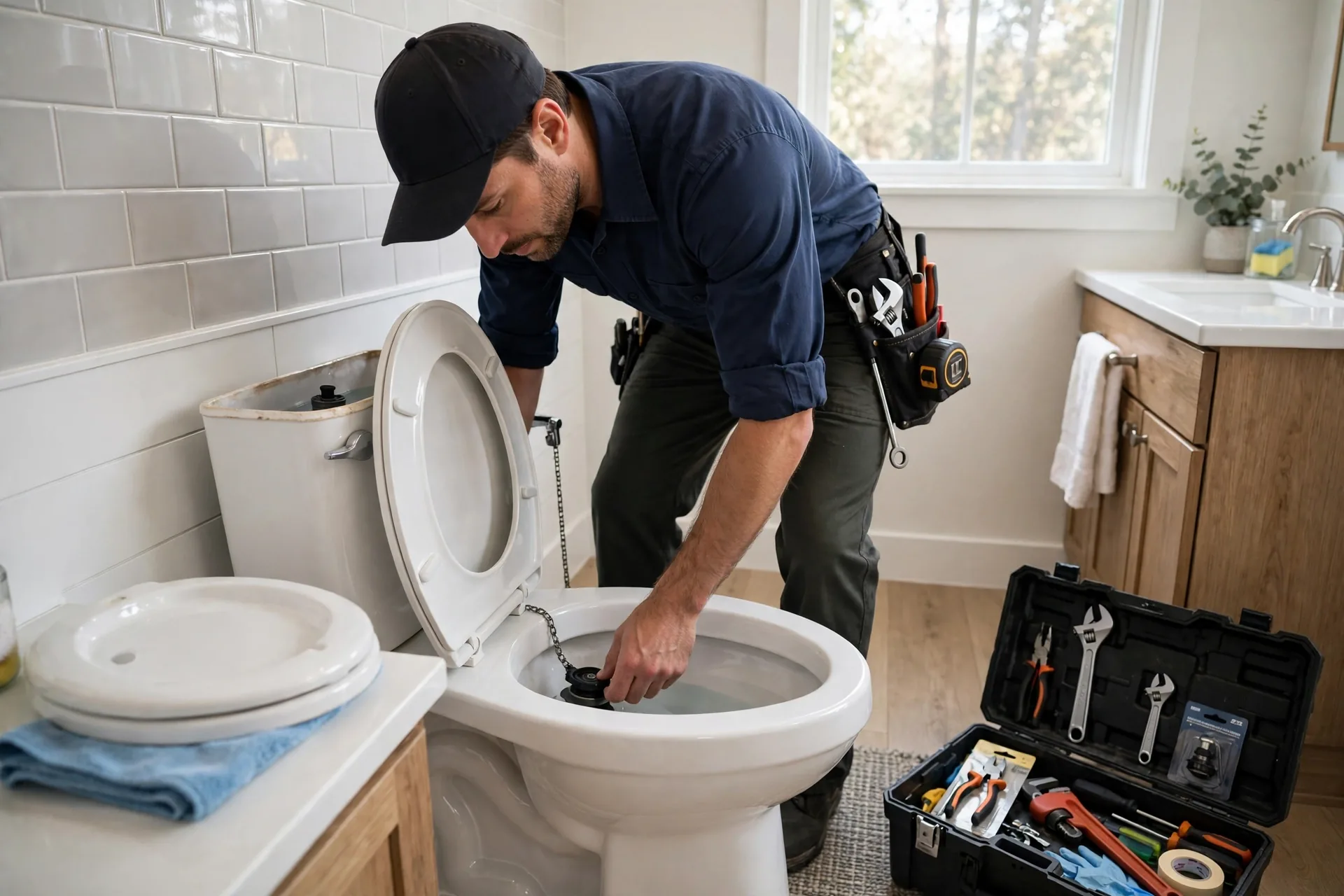
Short answer: A toilet that runs is almost always leaking inside its own tank. Water seeps past a worn flapper into the bowl, the level drops, and the fill valve tops it up, forever. It is the most common hidden water waste in Smyrna homes, it can add hundreds of gallons a day, and the main culprit costs very little to replace.
The flapper is suspect number one
The flapper is the rubber seal at the bottom of the tank. Age and water chemistry harden and warp it until it no longer seals, and tank water trickles into the bowl nonstop. Lift the lid, look at the flapper, and press it down gently with a stick. If the running stops while you press, you have found your leak.
The two-minute dye test proves it
Put a few drops of food coloring in the tank, do not flush, and check the bowl in 15 minutes. Color in the bowl means tank water is escaping past the flapper or flush valve. No color means the leak story lives elsewhere, usually a fill valve that overfills the tank past the overflow tube.
Ghost flushing is the same leak, quieter
If your toilet briefly refills on its own every hour or two with nobody using it, the tank is leaking down slowly until the fill valve wakes up. That is a flapper leak in its early, polite stage. It will not stay polite. The water waste grows as the seal worsens.
When a running toilet needs more than a flapper
A fill valve that never shuts off, a cracked overflow tube, or a flush valve seat too corroded for any flapper to seal all need more than the basic fix. Our toilet repair page covers the full list, and if the toilet is old, weak-flushing and running, the repair versus replace conversation there is worth two minutes.
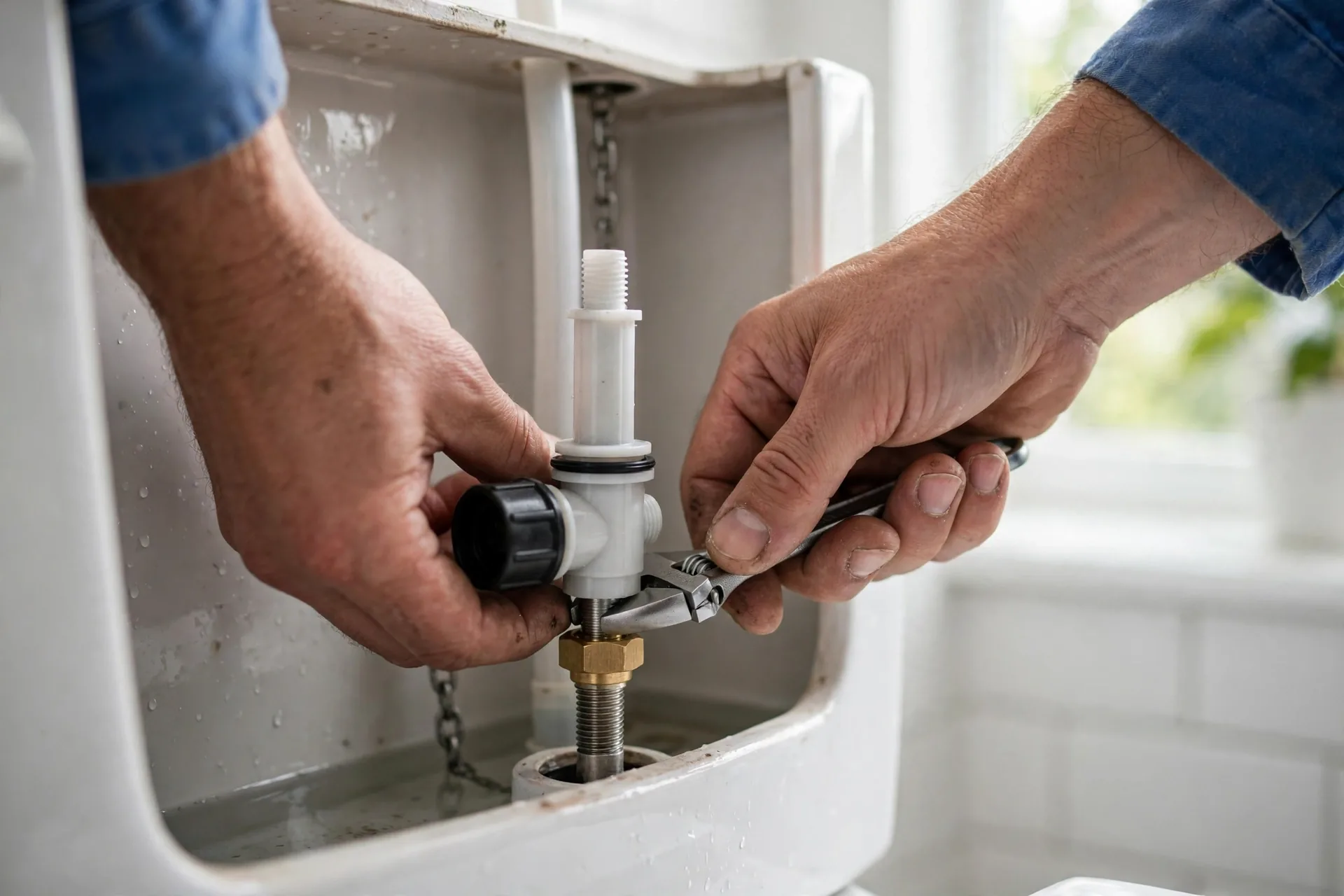
Rentals around Smyrna see this problem worst, because a toilet that runs between tenants can run for a month with nobody listening for it, and the water bill lands on whoever holds the account when it arrives. If you have just moved into a Smyrna rental and the first water bill looks swollen, run the dye test before blaming your showers. Landlords: a five-minute flapper check between tenancies prevents the single most common plumbing billing complaint we hear from new tenants in Rutherford County.
Brands We Service
We Service All Major Plumbing Brands
- Moen
- Delta
- Kohler
- American Standard
- Bradford White
- Rheem
- Rinnai
- Navien
- A.O. Smith
- State
- Toto
- Grohe
- InSinkErator
- Zoeller
Do not see your brand? We service fixtures, faucets and water heaters from all major makers found in Smyrna homes. Call (615) 583-1830 and tell us the brand and model.
Frequently Asked Questions
What is the short answer to: Why Does My Toilet Keep Running?
A toilet that runs is almost always leaking inside its own tank. Water seeps past a worn flapper into the bowl, the level drops, and the fill valve tops it up, forever. It is the most common hidden water waste in Smyrna homes, it can add hundreds of gallons a day, and the main culprit costs very little to replace.
Which Smyrna service handles the problem behind 'Why Does My Toilet Keep Running?'?
Usually hydro jetting, with sewer line repair as the next suspect when the first tests clear. A two-minute phone description of the symptom and your home's age usually settles which page and which visit fits.
The flapper is suspect number one - what should I check first?
The flapper is the rubber seal at the bottom of the tank. Age and water chemistry harden and warp it until it no longer seals, and tank water trickles into the bowl nonstop. Lift the lid, look at the flapper, and press it down gently with a stick. If the running stops while you press, you have found your leak.
When should a Smyrna homeowner stop trying DIY fixes for this and call?
Stop when water is actively flooding, when sewage is involved, when you smell gas, when a breaker trips twice, or when the main shutoff will not close. Stop, too, when the safe checks in this article change nothing, because the remaining causes on a hydro jetting job need instruments, not patience.